
Unlocking the secrets How casinos keep you coming back for more
The Psychological Triggers Used by Casinos
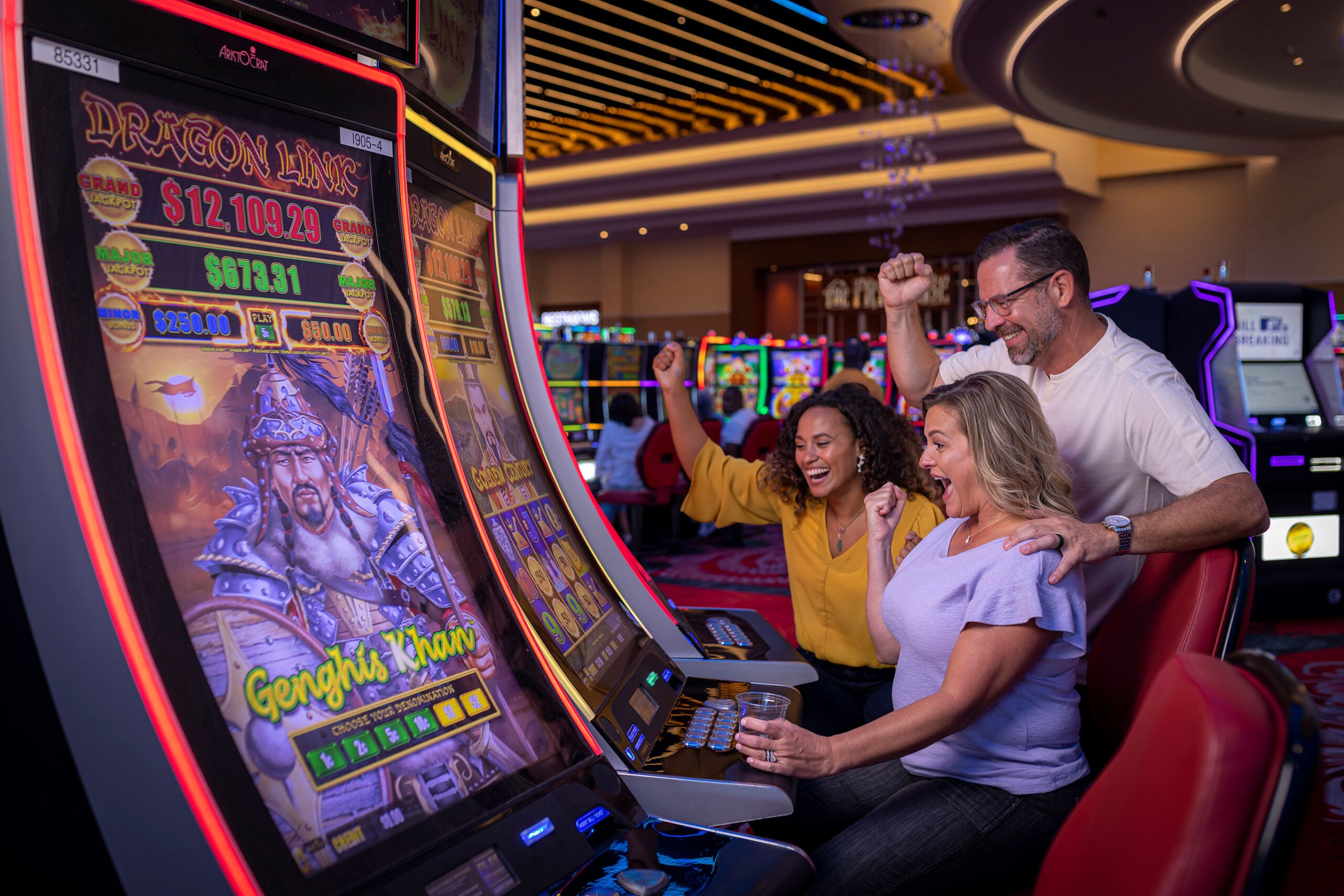
Casinos are designed with advanced psychological strategies to create an environment that keeps players engaged. One of the primary techniques employed is the use of sounds and lights. The clinking of coins, the flashing of machines, and the upbeat music create an exhilarating atmosphere, making players feel more alive and connected to the gaming experience. This sensory stimulation can trigger dopamine release in the brain, leading to a feeling of excitement that compels players to stay and play longer. For those interested in how these businesses operate, websites like pokersites can offer valuable insights and information.

Moreover, casinos implement the concept of variable rewards, where players win at unpredictable intervals. This uncertainty can create a sense of anticipation and excitement, as individuals are often drawn to the idea of a big win just around the corner. The unpredictability of wins becomes alluring, reinforcing the behavior of continuously playing in hopes of landing that life-changing jackpot.
The Allure of Freebies and Rewards Programs
Another effective strategy casinos use to attract and retain players is the implementation of loyalty programs and freebies. Many casinos offer players incentives such as free drinks, meals, and even accommodation as a reward for playing. These perks not only enhance the gaming experience but also condition players to return to the casino in anticipation of receiving additional rewards. This aspect can be particularly appealing to individuals who appreciate these benefits.
Loyalty programs further cement this relationship by providing players with points for every dollar spent. As players accumulate points, they feel a sense of achievement and are more likely to return to redeem their rewards. This creates a cycle of engagement where the more players visit, the more they earn, and the more they desire to keep playing to reach the next tier of benefits.
The Layout and Design of Casinos
The physical layout of casinos plays a critical role in influencing player behavior. Casinos are meticulously designed to encourage exploration and prolong stay. The absence of windows and clocks eliminates any awareness of time, allowing players to lose track of how long they have been playing. Furthermore, the arrangement of games and slot machines is intentional, often leading players deeper into the casino.
This design strategy makes it difficult for players to find their way out, reinforcing the likelihood of continued play. Additionally, social interactions are encouraged within the space, as players often enjoy the camaraderie of fellow gamblers. This social element can enhance the overall experience, making it more appealing for individuals to return and relive the excitement.
The Impact of Marketing and Promotions
Clever marketing tactics also play a significant role in drawing players back into casinos. From targeted advertisements to enticing promotional events, casinos invest heavily in reaching potential and existing customers. Special promotions on holidays or themed events can create a sense of urgency, prompting players to visit the casino to take advantage of limited-time offers.
Moreover, casinos often use personalization in their marketing approaches, sending tailored promotions to frequent visitors based on their playing habits. This personal touch makes players feel valued and can greatly influence their decision to return, as they may feel they are receiving exclusive offers designed specifically for them.
Conclusion: A Safe Space for Investors and Gamblers
As casinos continue to master the art of enticing players, it’s essential to understand the methods behind their strategies. While enjoying the thrill of gaming, it’s crucial to remain aware of how these enticing techniques can influence behavior. Engaging in responsible gaming practices can enhance the enjoyment while keeping in mind the importance of self-regulation.
This insight into player retention is particularly relevant for investors interested in the gaming industry. If you’re looking for more valuable insights and resources, exploring platforms dedicated to investment information can provide a safe space to navigate the complex world of finance and gaming alike.